Prior to breaking ground on BMW's new factory in Debrecen, Hungary, a complete 'digital twin' of the plant has already been built, including the construction, production lines, and human work processes.
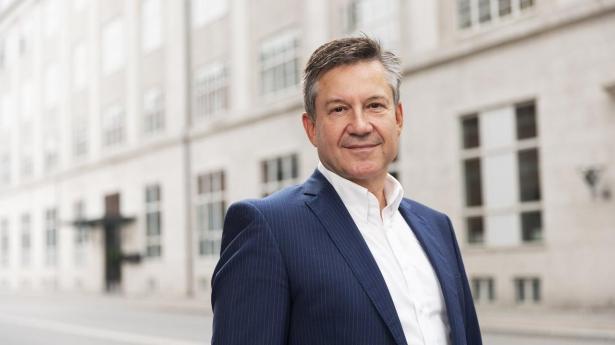
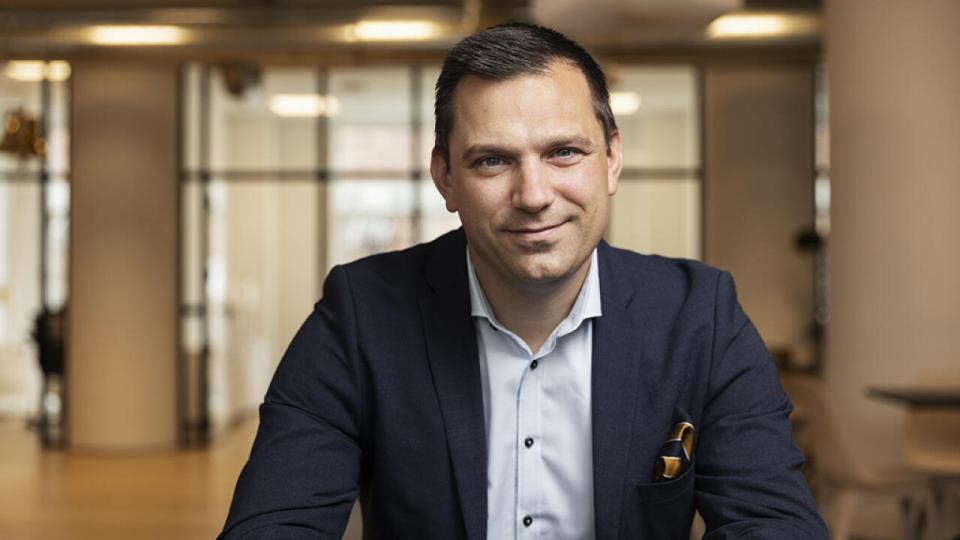
"We’re discussing a dynamic ecosystem of 'digital twins' integrated into one platform, creating a complete and photorealistic digital copy of the factory. The purpose is to reduce the time from conception to finished factory," explains Peter Hecht, the Northern European marketing director at the IT company T-Systems, which is involved in creating the entire digital infrastructure.
BMW is investing 15 billion DKK in the new Hungarian factory. When it is ready next year, the German car manufacturer expects to produce around 150,000 electric cars from the assembly line each year.
"The digital replica of the factory enables more efficient optimization of the construction and testing of innovative concepts before investing in physical production facilities and laying the foundation. In general, BMW anticipates that their production planning will be 30% more efficient with the new tools."
An essential aspect is the ability to work seamlessly within a single platform. In the case of BMW, over 40 IT systems have been integrated into NVIDIA Omniverse. This powerful platform, developed by NVIDIA, allows designers, engineers, and architects to collaborate in real-time to create and simulate photorealistic 3D environments.
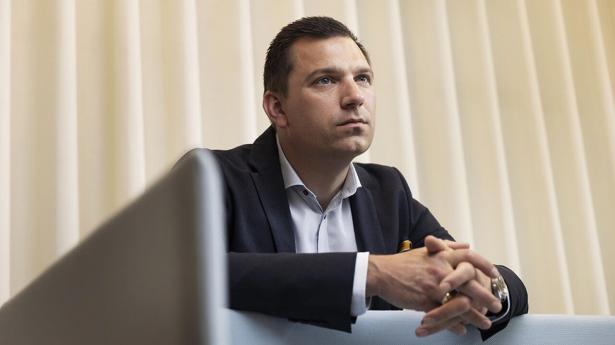
"In many companies, one of the biggest challenges is breaking down silos when working across departments and professional groups – this also applies to data. Here, having a unified data model that can be collaboratively worked on is a huge advantage. It makes collaboration and virtual simulations of business processes much easier," explains Peter Hecht.
"Different professional groups can experiment with product development, factory planning, and the layout of the entire production flow. This way, effective and faster decisions can be made better, allowing for optimization of energy consumption and thereby working more sustainably."
“As a starting point, it's about a series of well-known technologies, each of which contributes to binding data from companies' IT systems together in a new way, so data can work together
Peter Hecht, marketing director at T-Systems
The new digital solutions can be used not only for large construction projects but also to optimize existing facilities.
A good example is Deutsche Bahn, which has extensively digitalized the German railway network. This includes creating a digital twin model of 5,700 stations and the 33,000 km of tracks in the network.
One of the goals is to improve safety, operate driverless trains, increase the capacity of the existing railway network, and reduce costs and CO2 emissions in the transport sector. The work has been ongoing for several years, and it is expected that the first driverless trains will be tested in 2026 by the Germans.
Peter Hecht explains that the term 'The Industrial Metaverse' is often used in his industry but does not refer to a specific technology.
"As a starting point, it's about a series of well-known technologies, each of which contributes integrating data from companies' IT systems in a new way, enabling data to collaborate effectively," he says.
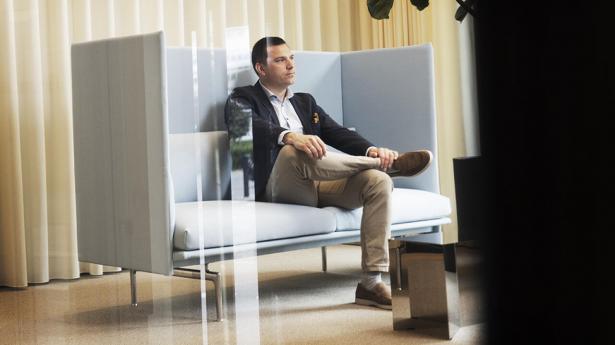
"Many companies are already working with cloud computing, 3D models, and data analysis. But when connections are established between all devices and existing systems are integrated, companies can use artificial intelligence to automate parts of their operations and thereby achieve competitive advantages."
"An Industrial Metaverse is not an off-the-shelf product. It is complex to create a scalable digital twin of the business, as multiple technologies and data sources need to be utilized," emphasizes Peter Hecht.
The company's own data serves as the starting point, sourced from various software solutions that optimize business processes, including ERP, CRM, or MES systems, or from other data sources.
"Many different data sources need to be integrated into a single platform. At the same time, the complex work of defining use-cases and the value they create for the company must begin. There are many applications - from production to logistics, visualization of infrastructure, scientific data, and much more," says Peter Hecht, who advocates involving experts who can help with all the heavy elements. T-Systems is part of Deutsche Telekom and is headquartered in Bonn, Germany. The IT group provides digital solutions and modern infrastructure across a range of industries - including manufacturing, life science, logistics, retail, finance, and the automotive industry. In total, T-Systems has 27,000 employees across 20 countries in Europe, Asia, and North and South America. Read more about T-Systems here
"On the other hand, ROI is significant and exponential when it succeeds. There is enormous potential in the Industrial Metaverse because it enables new forms of collaboration, faster product development, automation, and thereby cost savings. At the same time, it ensures better opportunities for preventive maintenance while working on new customer experiences."
Fundamentally, explains Peter Hecht, the Industrial Metaverse ensures much better competitiveness.
Want to know more? Get deeper insights into what the Industrial Metaverse is and how it can create value for your business. Download T-Systems' whitepaper for free here.
The ad is produced by Børsen Creative in collaboration with T-Systems.