Kundeservice: +45 72 42 32 12  DA
DA


McKinsey x Børsen Topmøde 2026
13 April 2026 – 1:00–5:30 PM
Topmøde ticket
Ticket for Topmøde 2026 at an exclusive price
1095 495 kr.
Topmøde ticket
Ticket for Topmøde 2026 at an regular price
1095 kr.
Purchase your Børsen subscription here, and get the ticket for 495 DKK.
Meet the former Prime Minister of Italy, the former head of MI6, a Nobel laureate, a Pulitzer Prize winner, and an AI expert
Join us for the McKinsey x Børsen Summit 2026, where, for the fourth year in a row, we bring together some of the world’s leading international experts to help guide decision-makers in Danish business.
Hear from former MI6 chief Sir Richard Moore on misinformation, cyberattacks, and hybrid threats — and what they mean for corporate resilience. Listen to Nobel laureate Philippe Aghion on Europe’s competitiveness, productivity, and innovation, and why AI will become a crucial engine of growth. Gain a clear perspective on the next phase of AI with Martin Ford — from hype to bottom line. And meet Ivan Krastev and Anne Applebaum in a conversation about Europe’s role in a world in flux — and the implications for markets and regulation.
Sign up now and join the conversation about the future opportunities and risks facing Danish business.
Limited seats available.
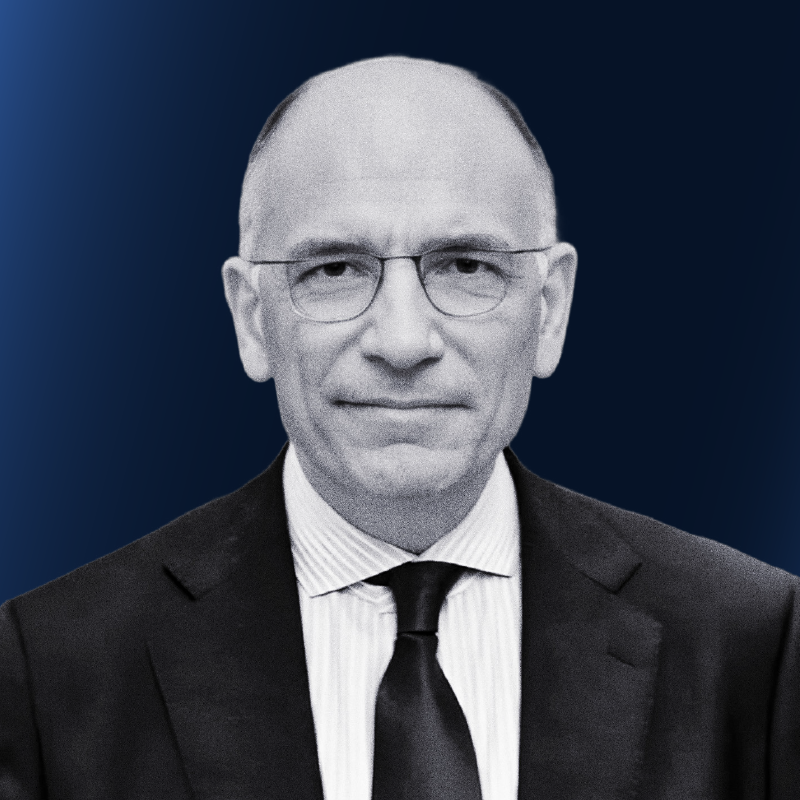
Enrico Letta
Economist and former Prime Minister of Italy
DISABLED
Your content goes here. Edit or remove this text inline or in the module Content settings. You can also style every aspect of this content in the module Design settings and even apply custom CSS to this text in the module Advanced settings.
Read more
Italian economist Enrico Letta was Prime Minister of Italy from 2013 to 2014.
Today, he is President of the Jacques Delors Institute and a key voice in the debate on Europe’s economic and political development.
For many years, he has worked with European integration, competitiveness and the internal market. Most recently, he has headed up a major EU report on how Europe is strengthening its economy in a more geopolitical world.
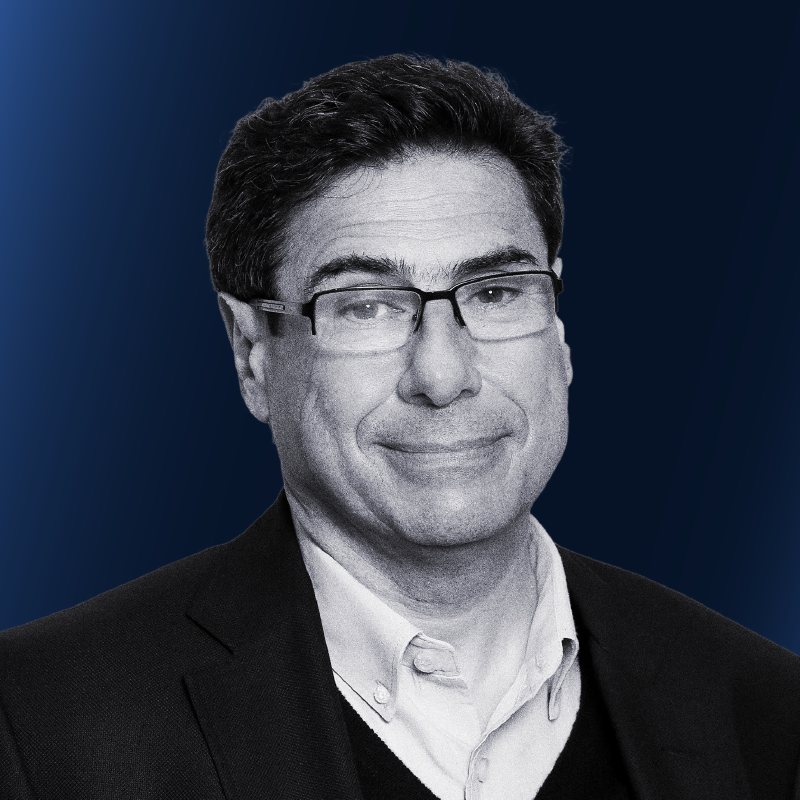
Philippe Aghion
Professor of economics and Nobel Prize recipient
DISABLED
Your content goes here. Edit or remove this text inline or in the module Content settings. You can also style every aspect of this content in the module Design settings and even apply custom CSS to this text in the module Advanced settings.
Read more
Philippe Aghion is a French economist and co-recipient of the 2025 Nobel Prize in Economics for explaining how AI and innovation are driving long-term economic growth. On a day-to-day basis, the 69-year-old economist is a professor at the Collège de France, at the renowned French business school INSEAD and at the London School of Economics.
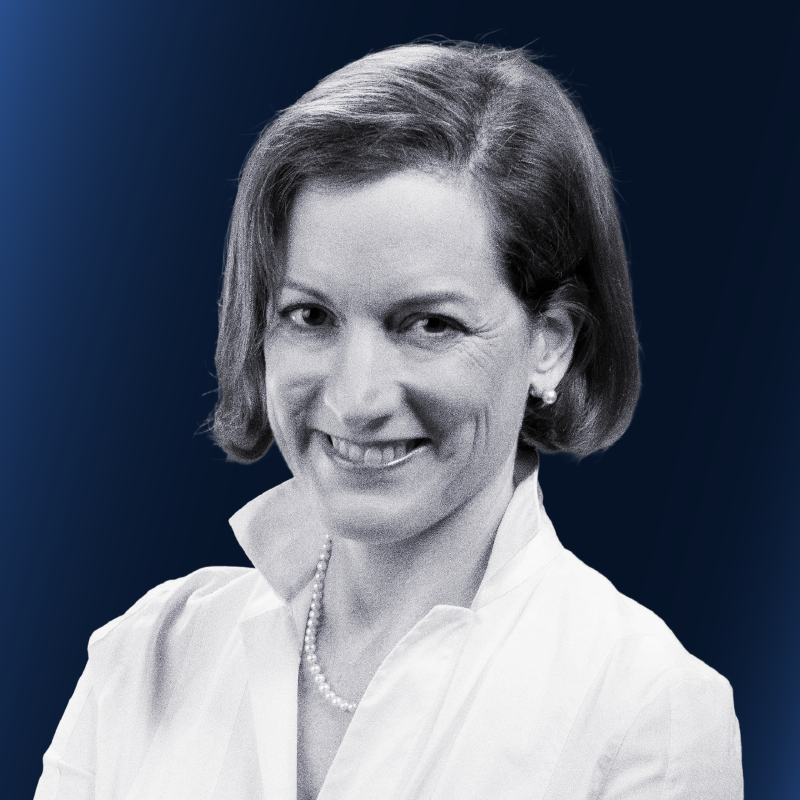
Anne Applebaum
Historian and author
DISABLED
Your content goes here. Edit or remove this text inline or in the module Content settings. You can also style every aspect of this content in the module Design settings and even apply custom CSS to this text in the module Advanced settings.
Read more
Historian, analyst and author Anne Applebaum works primarily in the field of international politics – especially security policy, democracy and economics.
The American, who is married to Poland’s Deputy Prime Minister, Radoslaw Sikorski, also works as a journalist and writer for, among others, The Atlantic.
She is a former winner of the acclaimed Pulitzer Prize for her book on the Soviet Union “Gulag: A History”.
Anne Applebaum has studied at Yale University, the London School of Economics and St Antony’s College, University of Oxford.
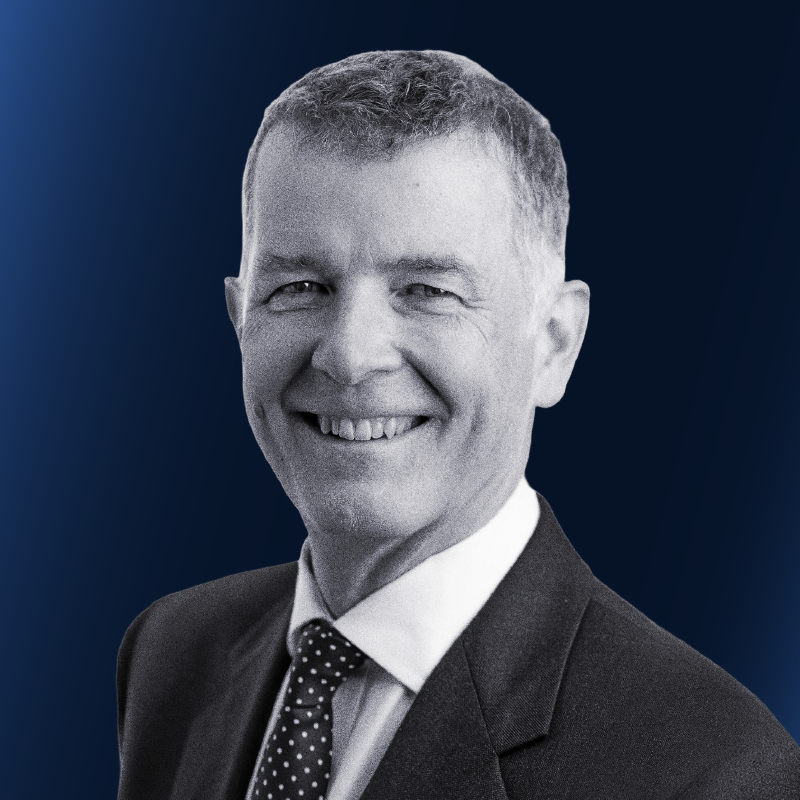
Sir Richard Moore
Former MI6 chief
DISABLED
Your content goes here. Edit or remove this text inline or in the module Content settings. You can also style every aspect of this content in the module Design settings and even apply custom CSS to this text in the module Advanced settings.
Read more
In September 2025, Sir Richard Moore stood down as chief of the British intelligence service MI6 – one of the most renowned such services in the world.
For five years, he led MI6 during a period characterised by heightened superpower rivalries, war in Ukraine, and sharpened focus on China and major conflict and war in the Middle East.
At the same time, hybrid war truly emerged in Europe with large-scale cyber attacks, sabotage, drones and information war, which affects states and companies in particular.
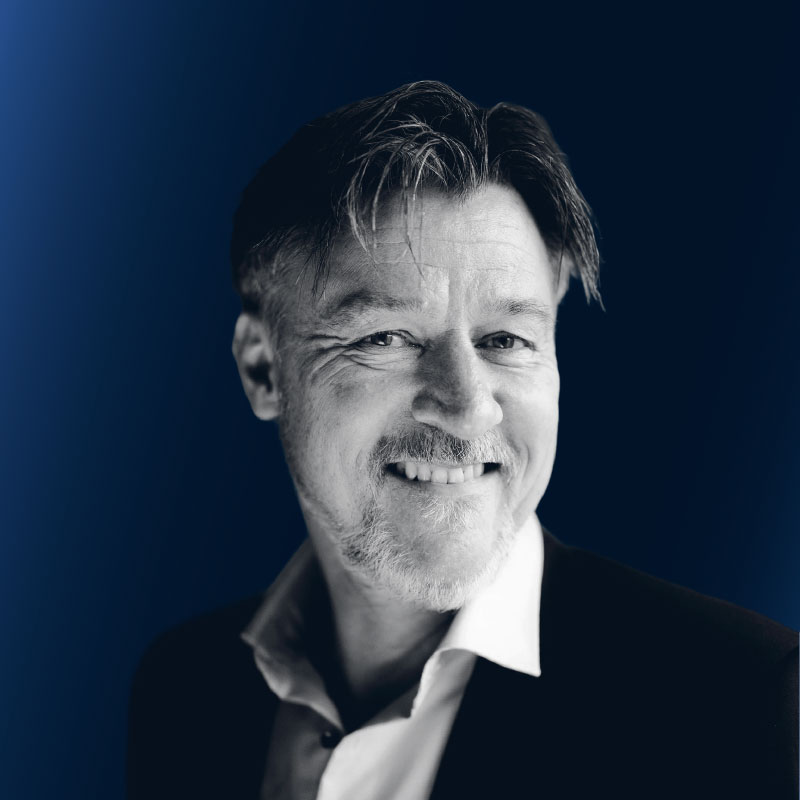
Ulrik Vestergaard Knudsen
Chief Corporate Affairs Officer at Netcompany and ambassador of the POMUS think tank
DISABLED
Your content goes here. Edit or remove this text inline or in the module Content settings. You can also style every aspect of this content in the module Design settings and even apply custom CSS to this text in the module Advanced settings.
Read more
For decades, Ulrik Vestergaard Knudsen has been one of Denmark’s most prominent diplomats and a key voice in the debate on Danish and international economic policy.
He was previously Deputy Secretary-General of the global economic organisation OECD, where he worked with economics and trade. He has also been Permanent Secretary of State at the Ministry of Foreign Affairs.
Today, he is the Chief Corporate Affairs Officer at Netcompany and an ambassador of POMUS, a Danish think tank in the area of science and innovation.
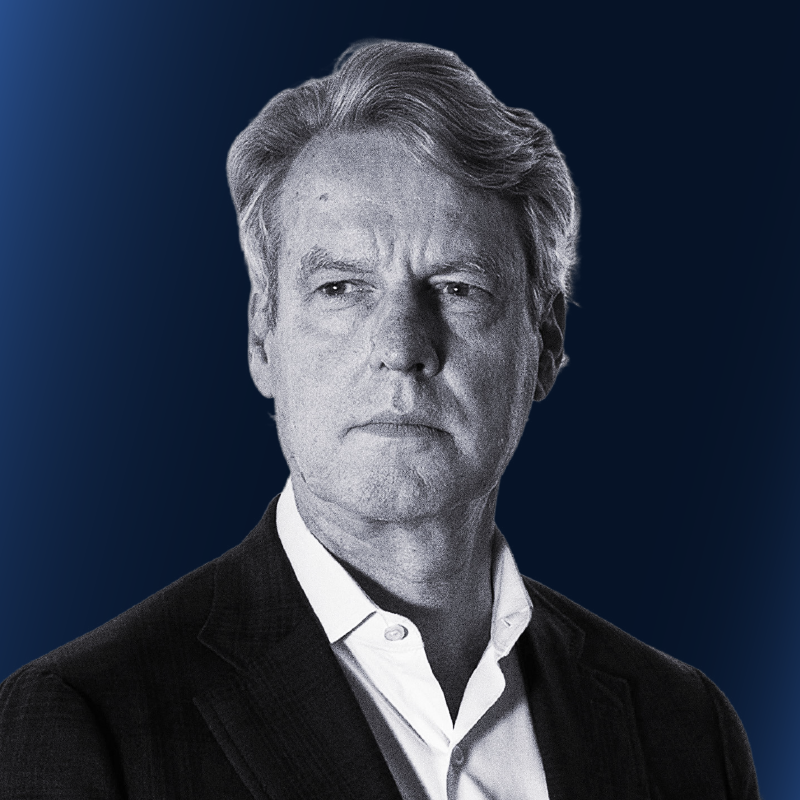
Allan Thygesen
CEO, DocuSign
DISABLED
Your content goes here. Edit or remove this text inline or in the module Content settings. You can also style every aspect of this content in the module Design settings and even apply custom CSS to this text in the module Advanced settings.
Read more
Allan Thygesen is one of the highest placed Danes in Silicon Valley and one of the best qualified to explain the developments within AI.
He has worked in Silicon Valley for more than 40 years, experiencing the birth of the internet, the dotcom bubble, the financial crisis and, most recently, the huge AI wave.
Allan Thygesen, who previously worked at i.a. Google, is currently CEO of listed US company DocuSign, which develops digital contracts and electronic signatures – a company with revenue in excess of USD 3 billion, and a company where artificial intelligence plays a pivotal role.
Allan Thygesen, son of world-famous economist Niels Thygesen, also sits on the board of A.P. Møller – Mærsk.
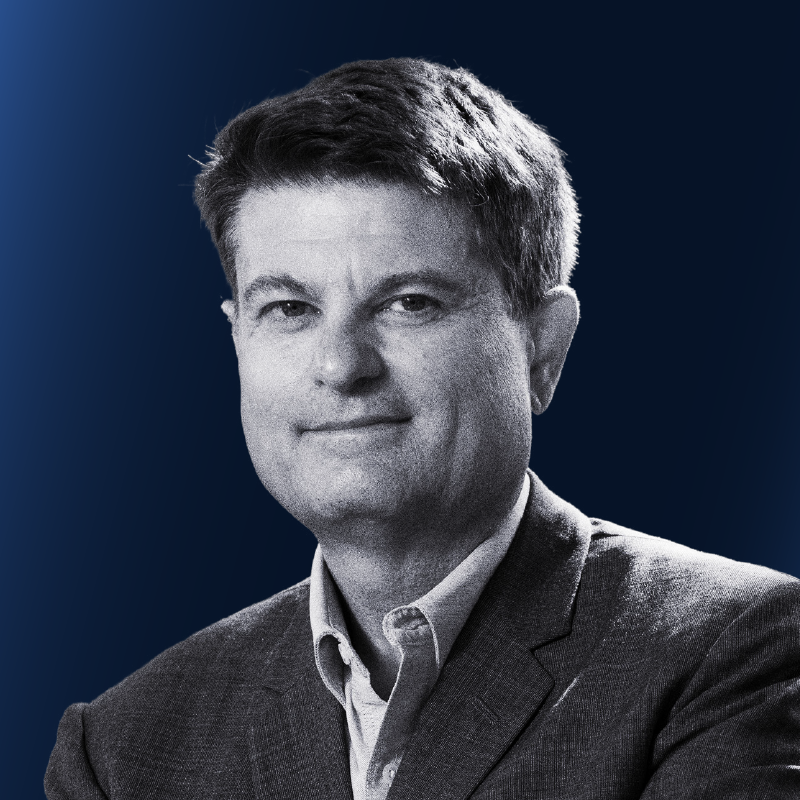
Martin Ford
AI researcher and author
DISABLED
Your content goes here. Edit or remove this text inline or in the module Content settings. You can also style every aspect of this content in the module Design settings and even apply custom CSS to this text in the module Advanced settings.
Read more
Martin Ford is an American futurist and prize-winning author focusing on AI and its implications for the economy and labour market. He is well-known for his book “Rise of the Robots: Technology and the Threat of a Jobless Future”, a New York Times bestseller.
The book also won the 2015 Financial Times and McKinsey Business Book of the Year. Martin Ford, who also heads up a software firm in Silicon Valley, holds a degree in computer engineering from the University of Michigan and an MBA from UCLA Anderson.
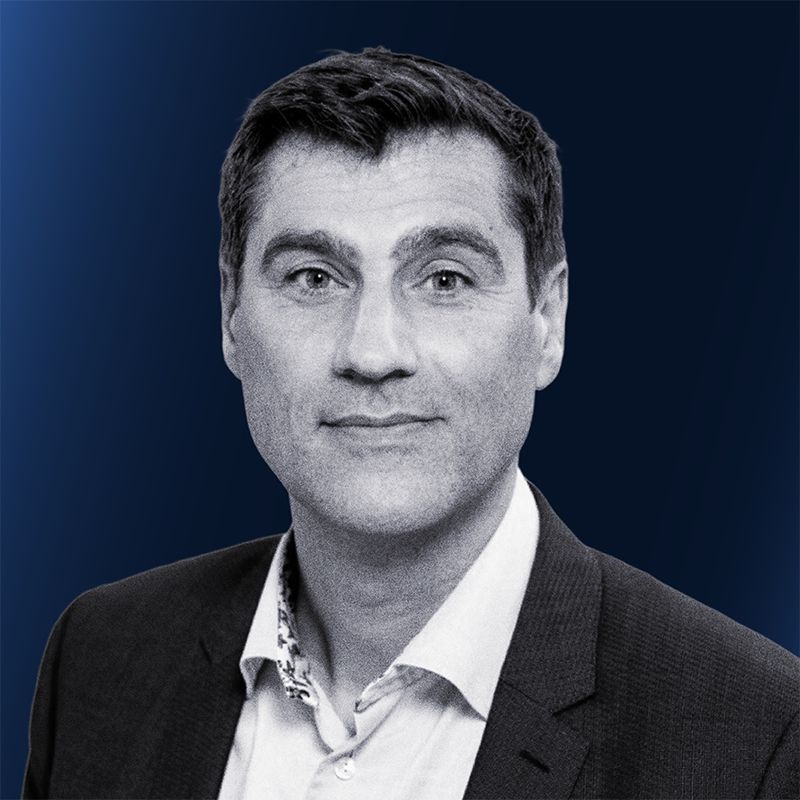
Philipp Schröder
Professor of economics, Aarhus University
DISABLED
Your content goes here. Edit or remove this text inline or in the module Content settings. You can also style every aspect of this content in the module Design settings and even apply custom CSS to this text in the module Advanced settings.
Read more
Philipp Schröder is a professor of economics at Aarhus University and researches national economics with a focus on companies, exports, tax, productivity and long-term growth.
He is also Co-Director of CEFAU, a research centre working with economic research and analysis for the business sector.
Philipp Schröder is one of the country’s most quoted economics professors and previously worked as a consultant for McKinsey.
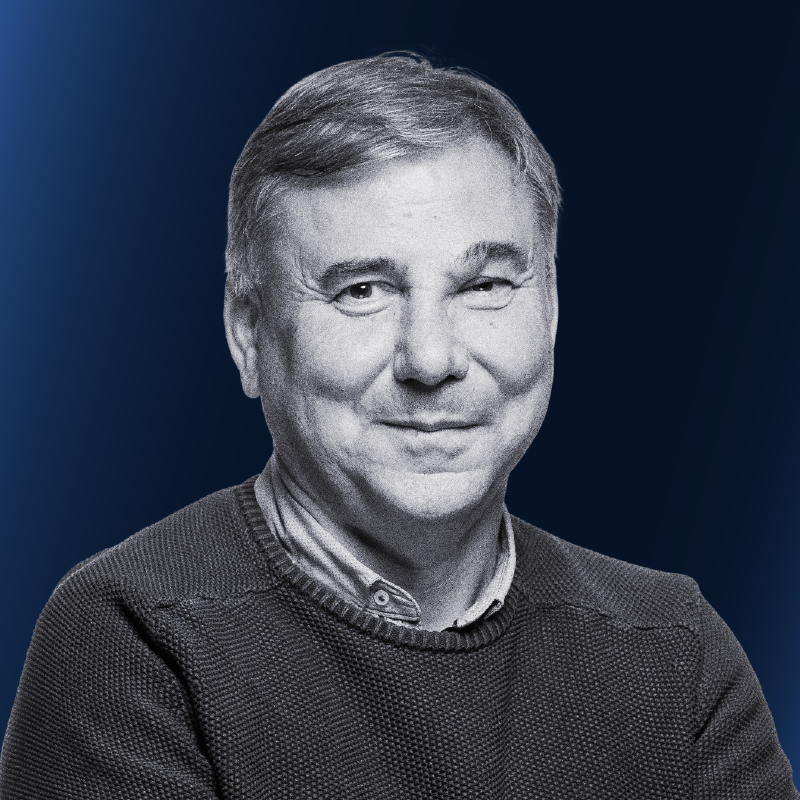
Ivan Krastev
Political scientist and author
DISABLED
Your content goes here. Edit or remove this text inline or in the module Content settings. You can also style every aspect of this content in the module Design settings and even apply custom CSS to this text in the module Advanced settings.
Read more
Ivan Krastev is a Bulgarian political scientist and renowned analyst on the development of democracy, populism and Europe’s role in the world.
He is Chairman of the Board of the Centre for Liberal Strategies in Sofia, co-founder of the European Council on Foreign Relations and author of a number of books on European politics. He has also regularly contributed commentary and analysis to international media, including the Financial Times.
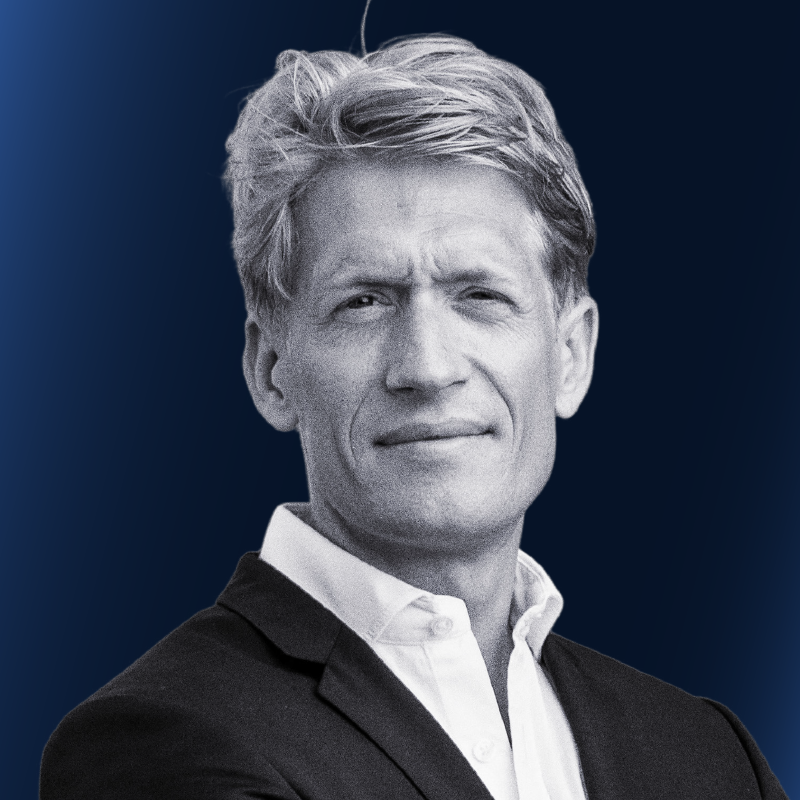
Jens Riis Andersen
Managing Partner,
McKinsey Denmark
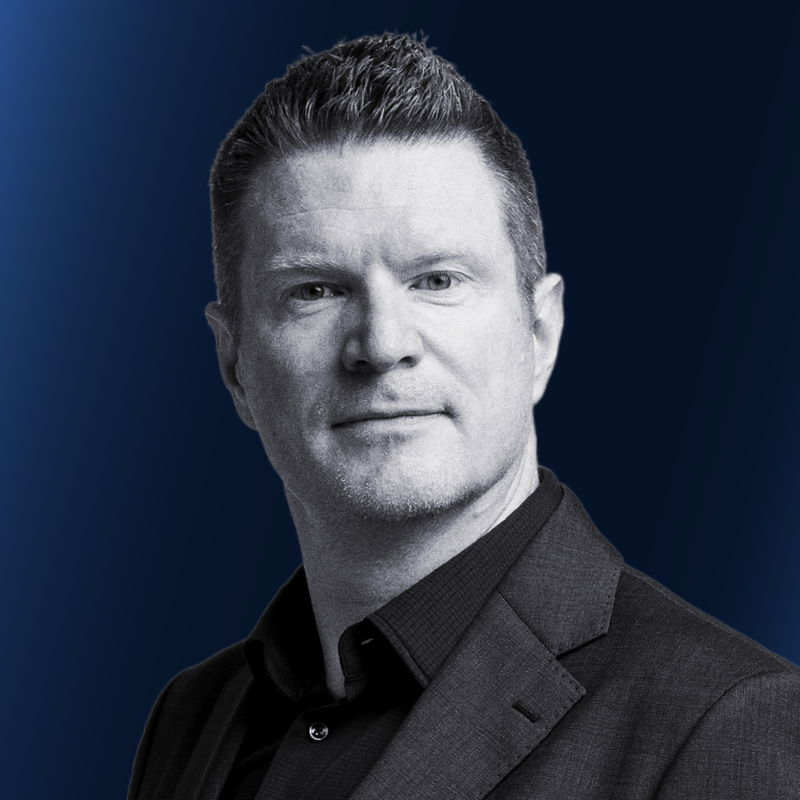
Nikolaj Sommer
Editor-in-Chief, Børsen
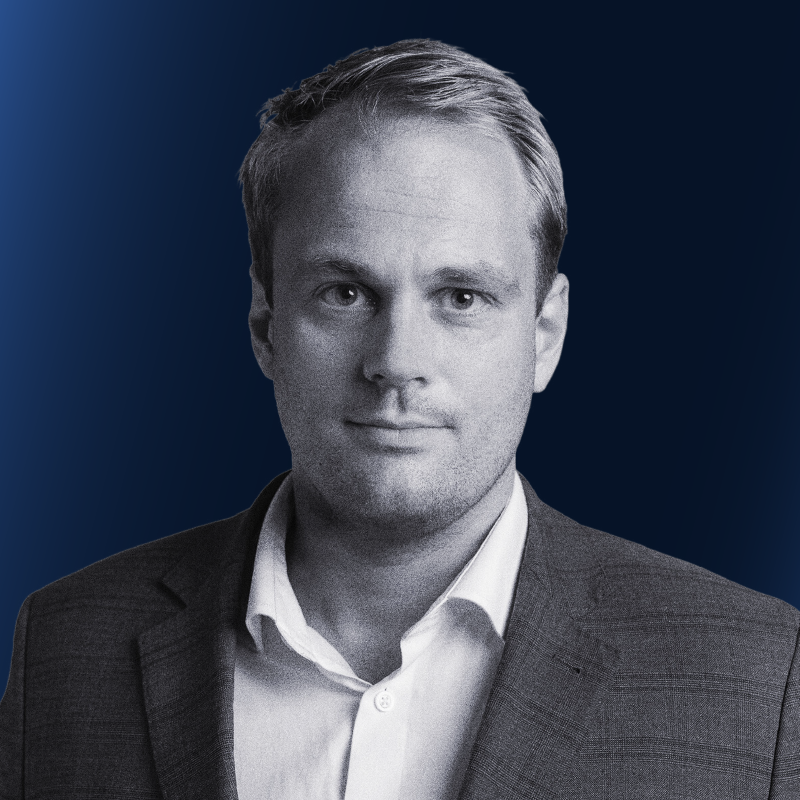
Kasper Kildegaard
Managing Editor, Børsen
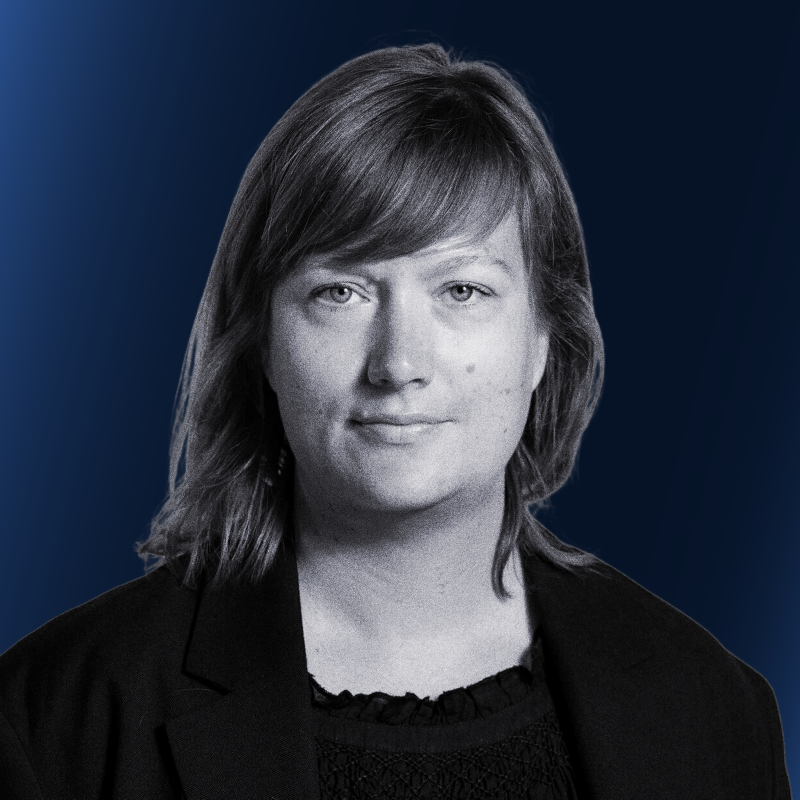
Louise Vogdrup-Schmidt
Head of News, Børsen
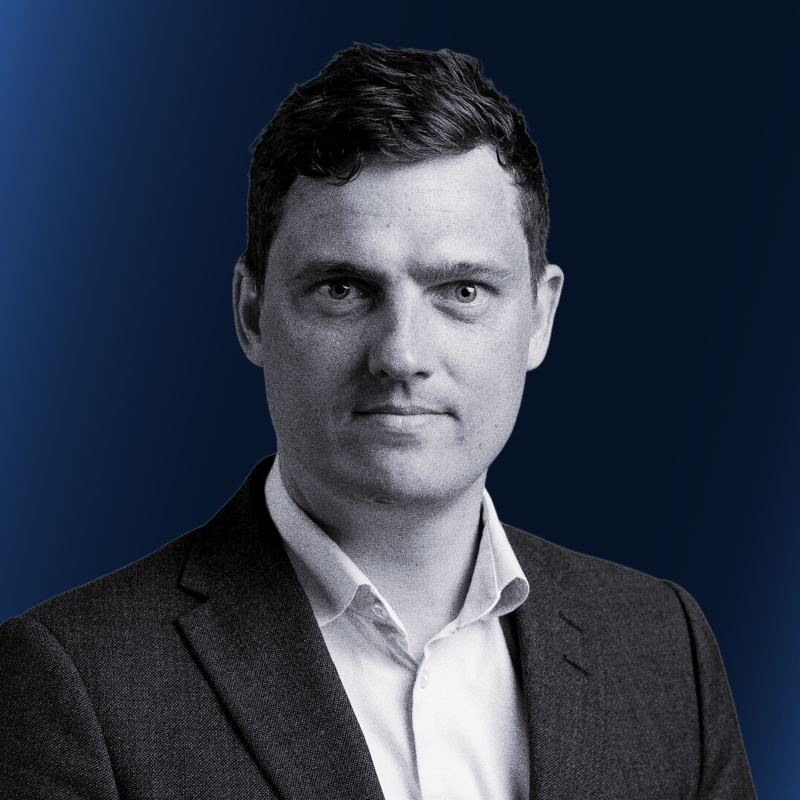
Peter Søndergaard
News Director, Børsen
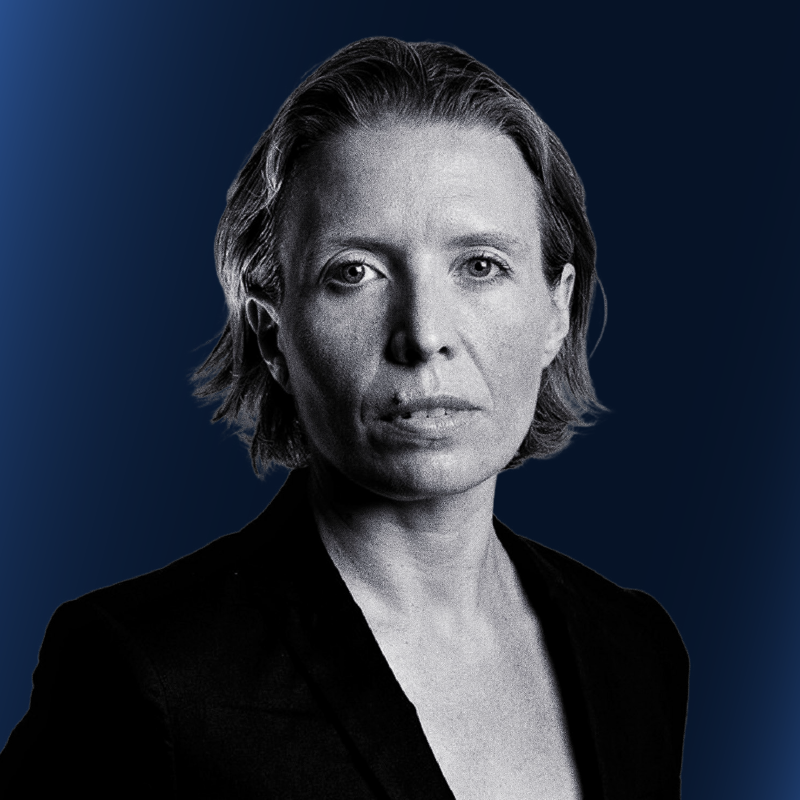
Louise With
International Correspondent, Børsen
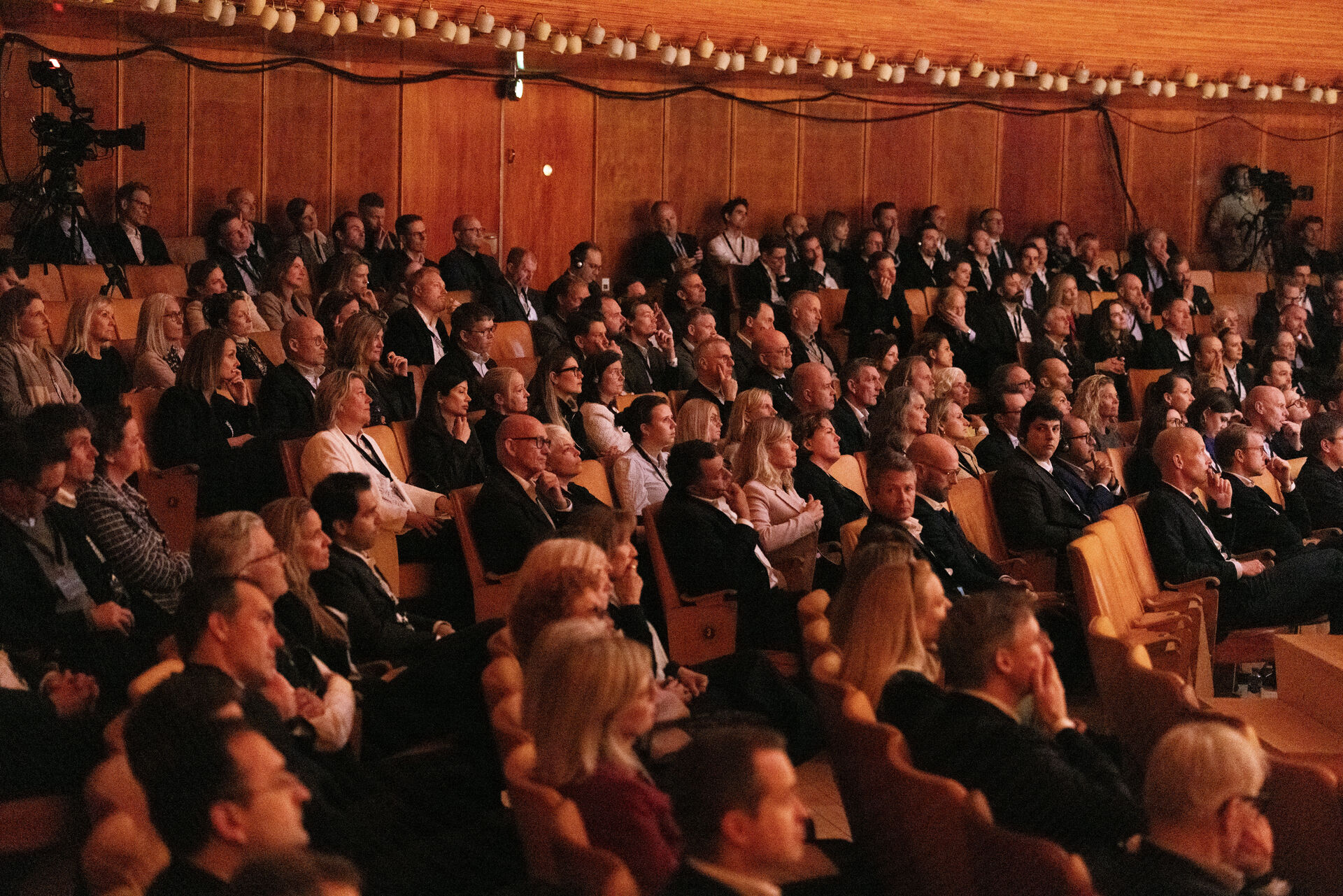
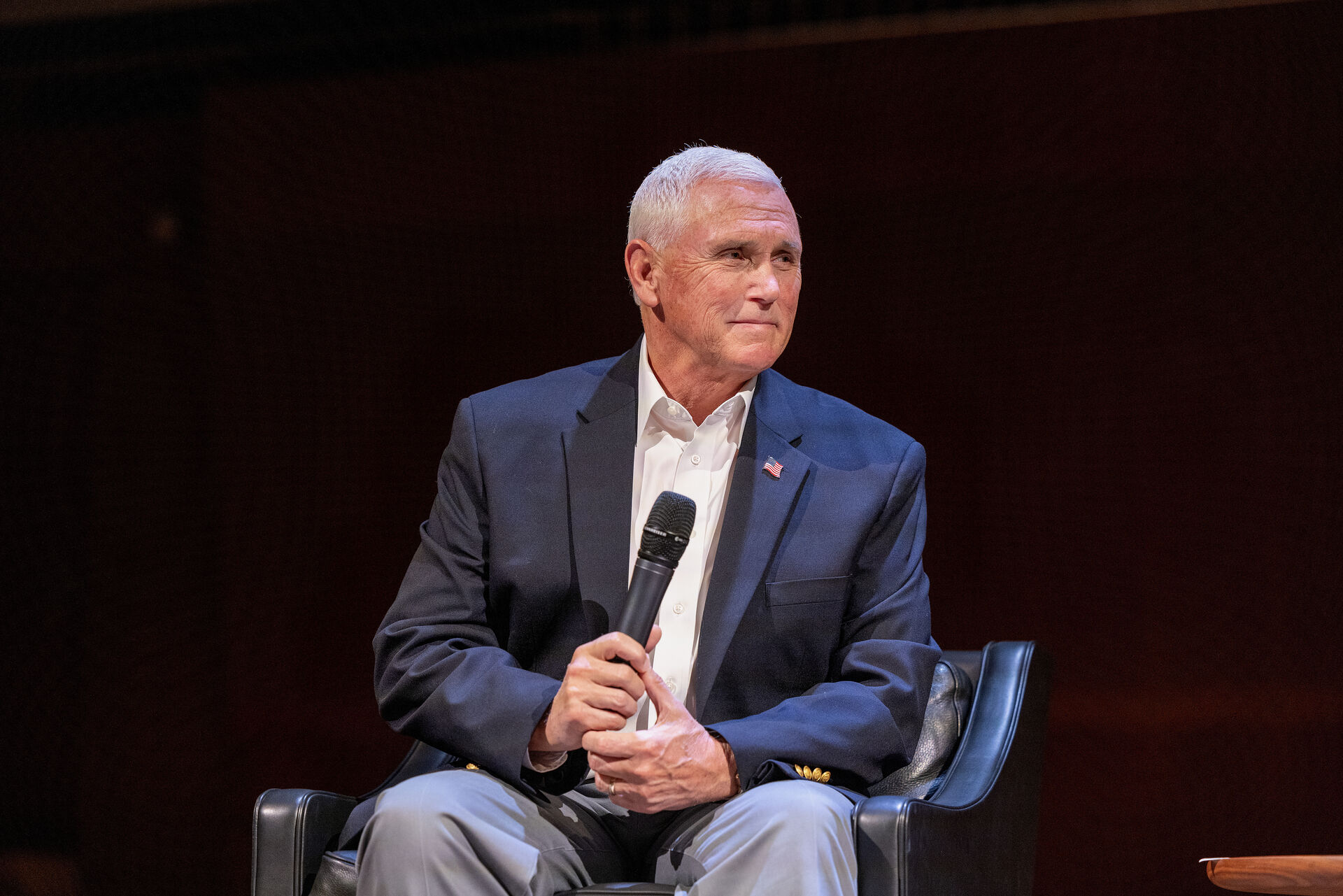
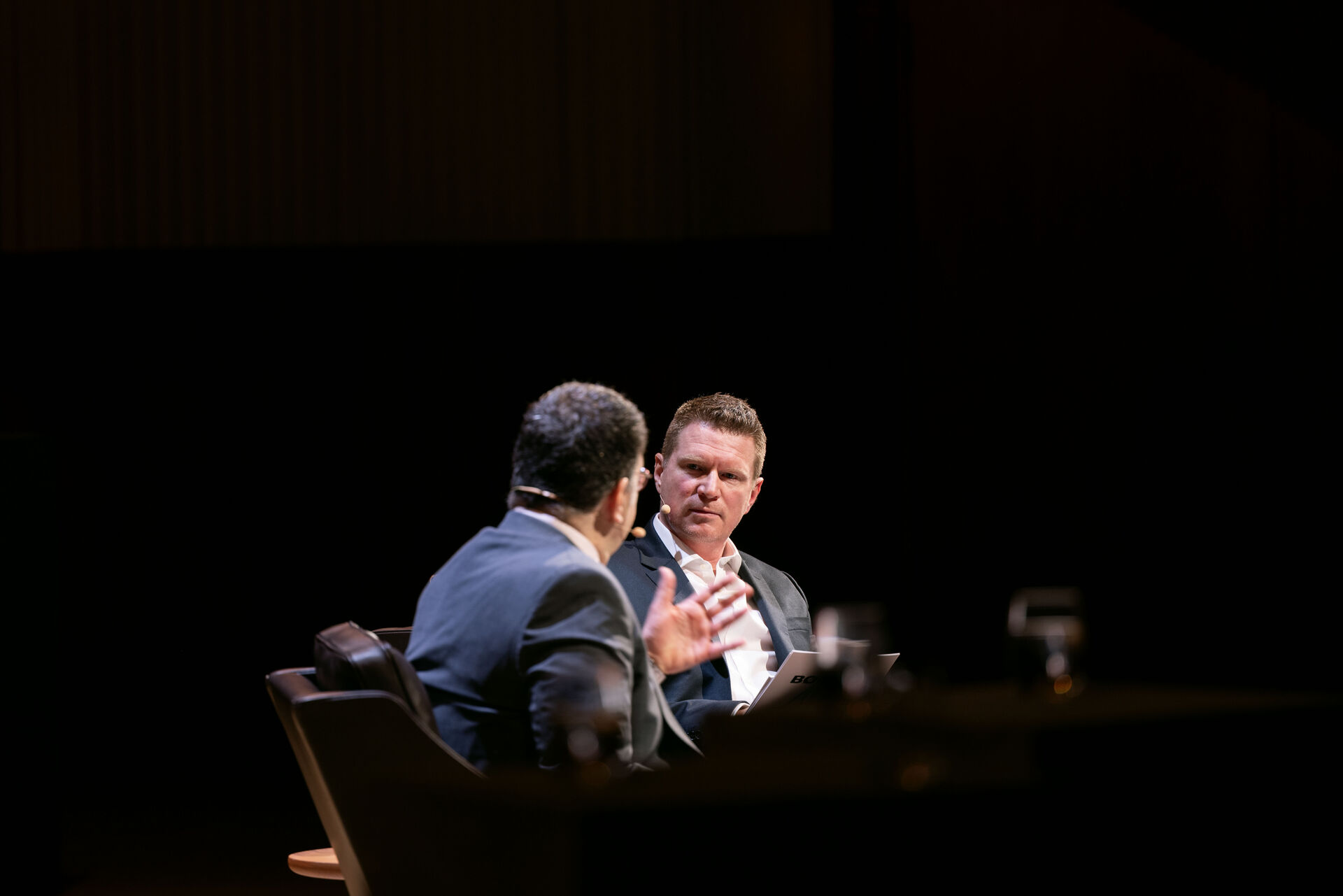
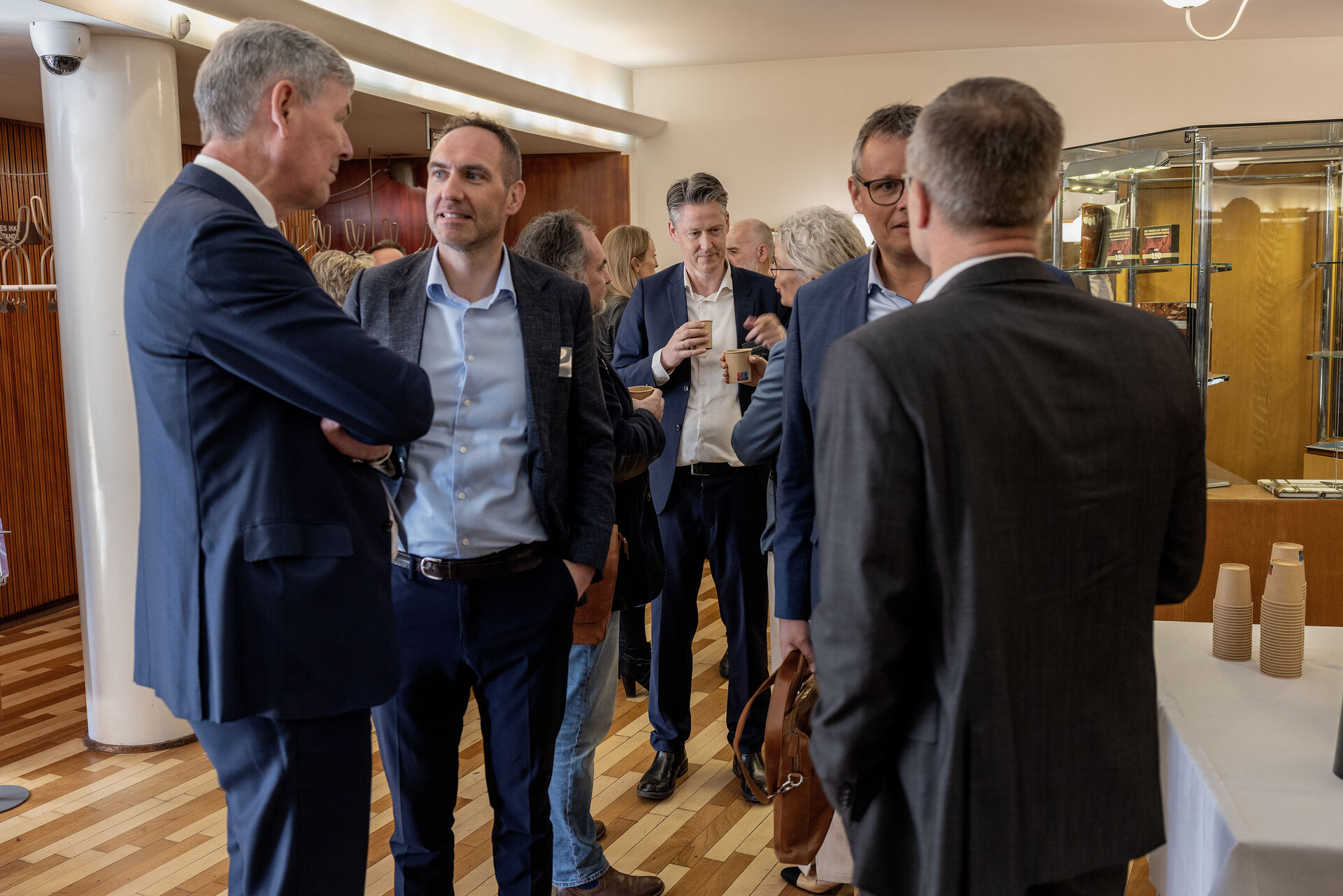
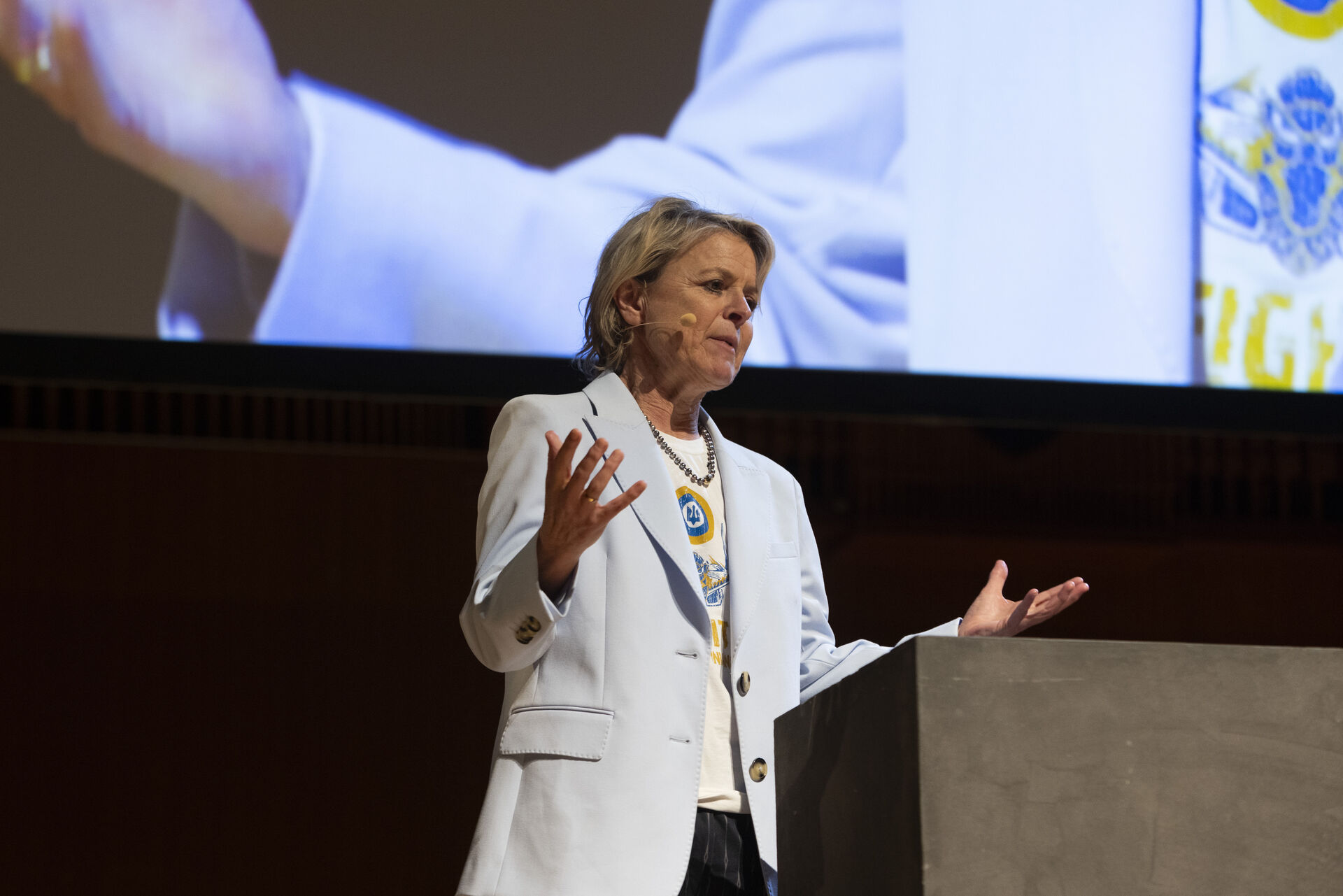
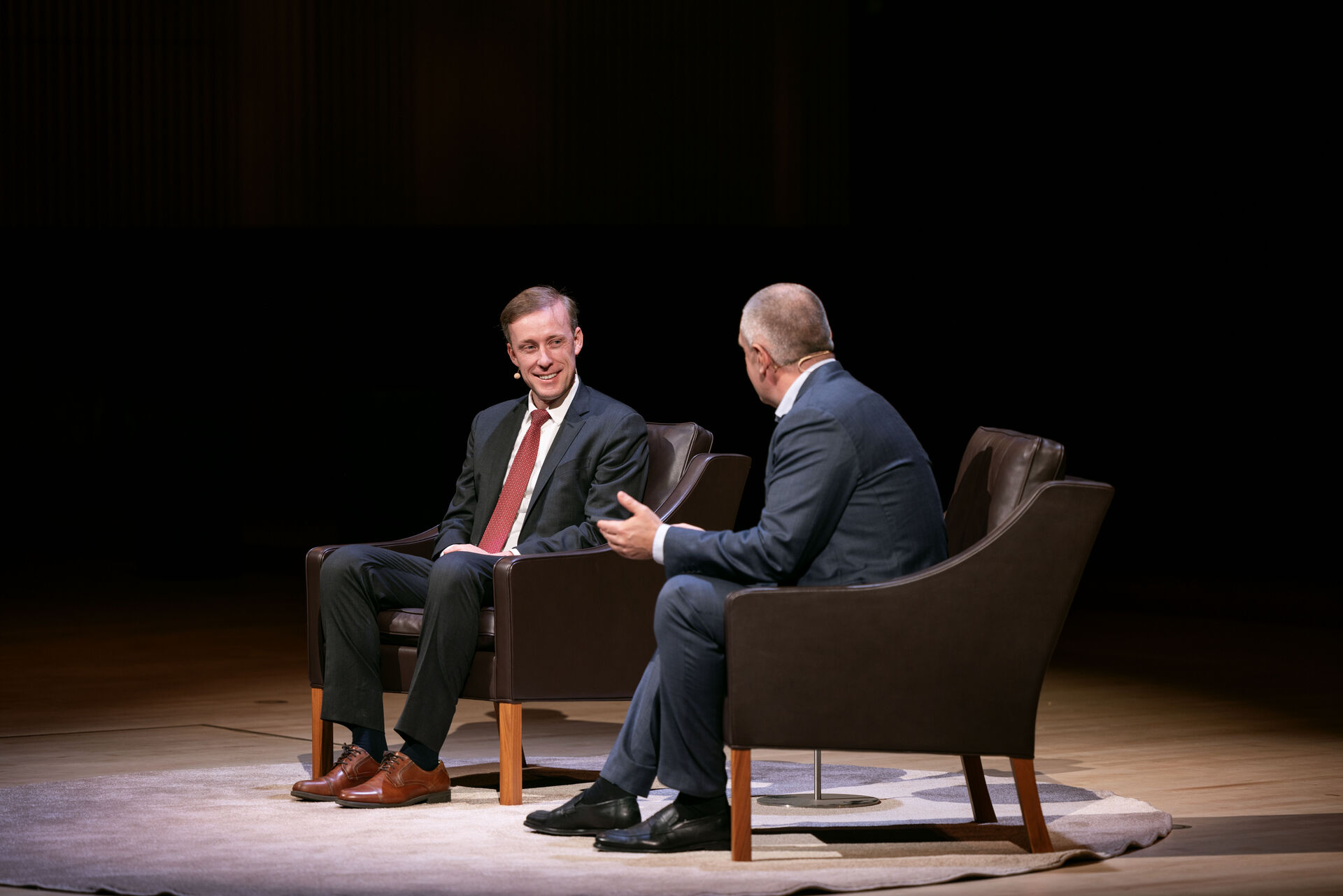
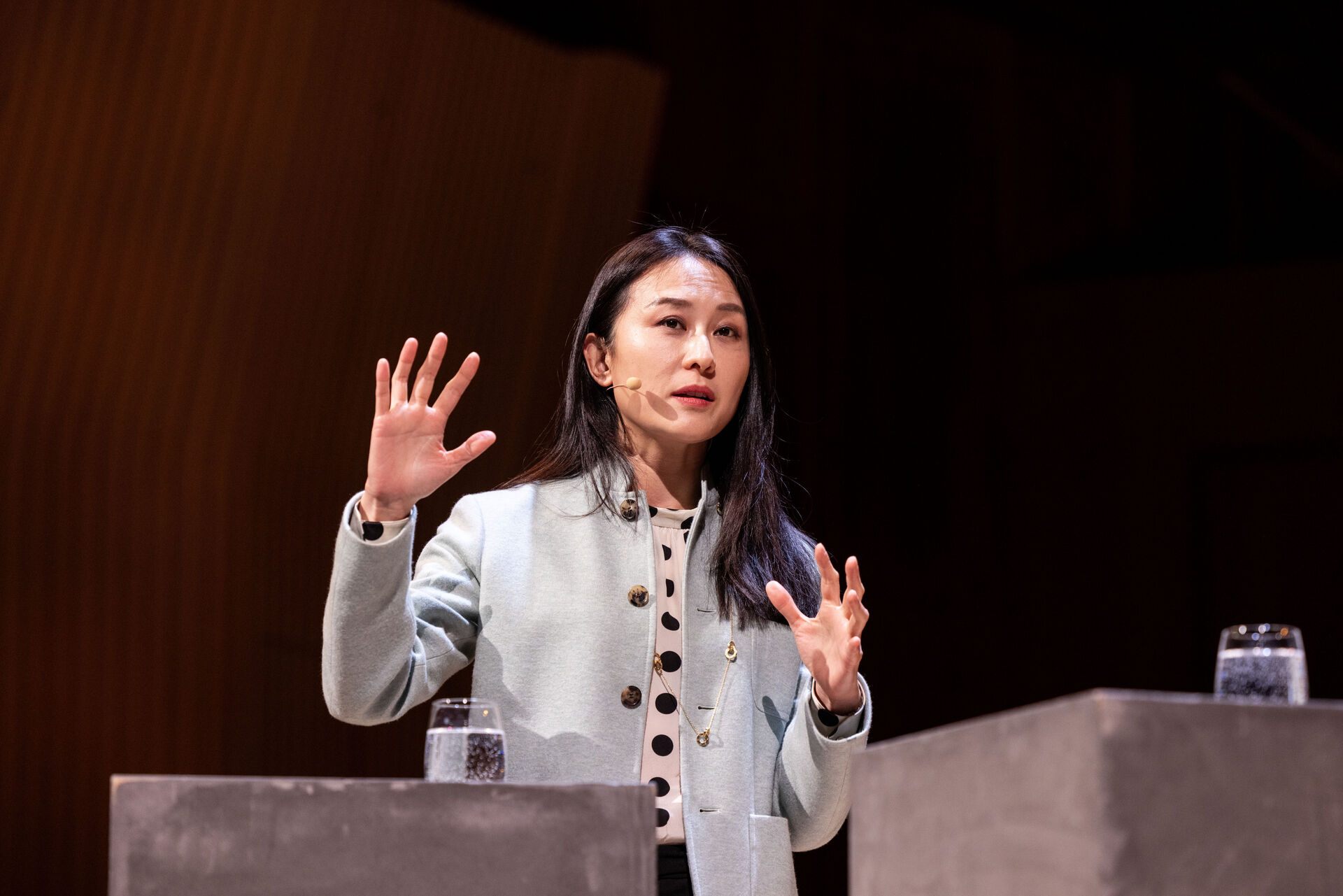
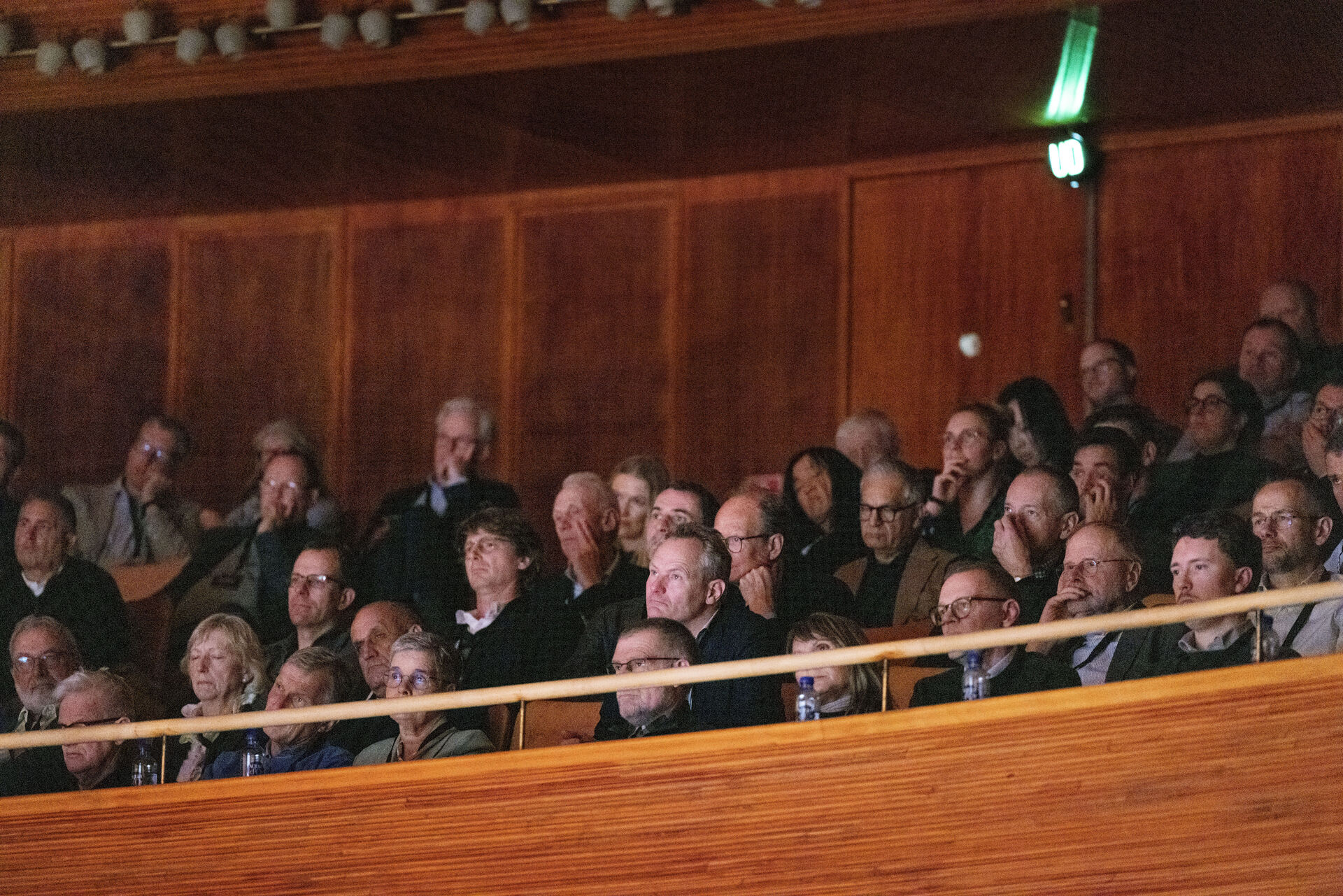
Programme
12.00 – 13.00
Registration and welcome
13.00 – 13.10
Welcome
Nikolaj Sommer, Editor-in-Chief, Børsen
Jens Riis Andersen, Managing Partner, McKinsey Denmark
Peter Søndergaard, Head of News, Børsen
13.10 – 13.55
Europe in a fracturing world
Ivan Krastev, political scientist and author
Anne Applebaum, historian and author
The geopolitical situation is creating huge uncertainty in the world and poor visibility for business. With two acclaimed analysts, we discuss the current reality, future prospects and the perspectives for Europe.
13.55 – 14.35
Energy Crisis and the Economy Under Pressure
Philippe Aghion, professor of economics and Nobel Prize laureate
French economist Philippe Aghion, recipient of the 2025 Nobel Prize in Economics, gives his take on where the world economy is headed.
From a macroeconomic perspective, we look at how Europe can strengthen productivity and growth at a time when the EU’s competitiveness is under massive pressure.
14.35 – 15.15
AI − part 1: The future according to the AI prophet
Martin Ford, AI researcher and author
As far back as 2015, Martin Ford was already predicting that artificial intelligence would change our way of working and make parts of the workforce superfluous.
As many of his predictions have come true, he is now updating his New York Times bestseller and Financial Times Business Book of the Year “Rise of the Robots” with the latest breakthroughs in AI − and with a fresh look at what the developments mean for jobs, companies and the economy. He puts the developments into perspective and gives his take on how we as businesses and society can navigate the transition to what may well become an AI-driven economy. Are we on the way to a new era of productivity? Will AI lead to mass unemployment?
15.15 – 15.45
Break and networking
15.45 – 16.05
AI − part 2: From the top of Silicon Valley
Allan Thygesen, CEO, Docusign
For many companies, AI is no longer an experiment. At US company Docusign, for example, which develops solutions within digital signatures and contracts, the technology is already an integral part of business and a key driver of growth.
At the helm of Docusign is Allan Thygesen − probably the highest placed Dane in Silicon Valley with over 40 years at the heart of technology. He has experienced everything from the emergence of the internet to the current AI wave.
Direct from San Francisco, he gives a unique insight into what is actually working in practice for Docusign. At the same time, he gives his perspectives on how AI can be translated into actual business value and what is required to make the technology a genuine competitive advantage.
16.05 – 16.45
Security in a new age
Sir Richard Moore, former MI6 chief
What does the current threat landscape look like for Europe at a time of geopolitical tension, cyber attacks and hybrid war?
Richard Moore, former chief of the British intelligence service MI6, offers an insight into how states are weaponising misinformation, cyber attacks and economic pressure.
What does it all mean for companies?
16.55 – 17.25
TBA
16.45 – 17.30
Europe’s path forward
Enrico Letta, economist and former Prime Minister of Italy Ulrik Vestergaard Knudsen, Chief Corporate Affairs Officer at Netcompany and ambassador of the POMUS think tank Philipp Schröder, professor of economics at Aarhus University
Denmark is a small, open economy in a Europe under pressure In this debate, we discuss how Europe is strengthening its competitiveness – but also where Denmark needs to position itself.
With perspectives from a former European head of government, a top Danish diplomat with experience from both the EU and the business world, and a professor of economics, the panel discusses the decisions that will shape both Europe’s and Denmark’s economy in the coming years – and what it all means for Danish companies.
Practical Information
Date: 13. April 2026
Timet: 1:00–5:30 PM
Venue: The Royal Danish Academy of Music Concert Hall, Julius Thomsens Gade 1, 1974 Frederiksberg C
You can read about parking and access conditions here.
Stay Updated
Follow this page for ongoing updates on speakers and the programme for the Summit 2026.
We look forward to welcoming you.
For any questions, please contact kundeservice@borsen.dk.
Please note that photographs may be taken during the event and may be used in connection with other events or for editorial purposes.
Programme changes may occur. The Summit is a closed event. No press access is permitted.